Black Pepper
Garbled and ungarbled black pepper specified by bulk density and piperine content, plus ground pepper, with lot-level analysis for residues and microbial parameters.
At a glance
- Garbled and ungarbled grades specified by bulk density
- Piperine and volatile oil content tested per lot
- Light berries, pinheads and dust removed to declared limits
- Steam sterilisation available for microbial reduction
- Residue and microbial testing to destination market limits
Pepper graded by density and piperine
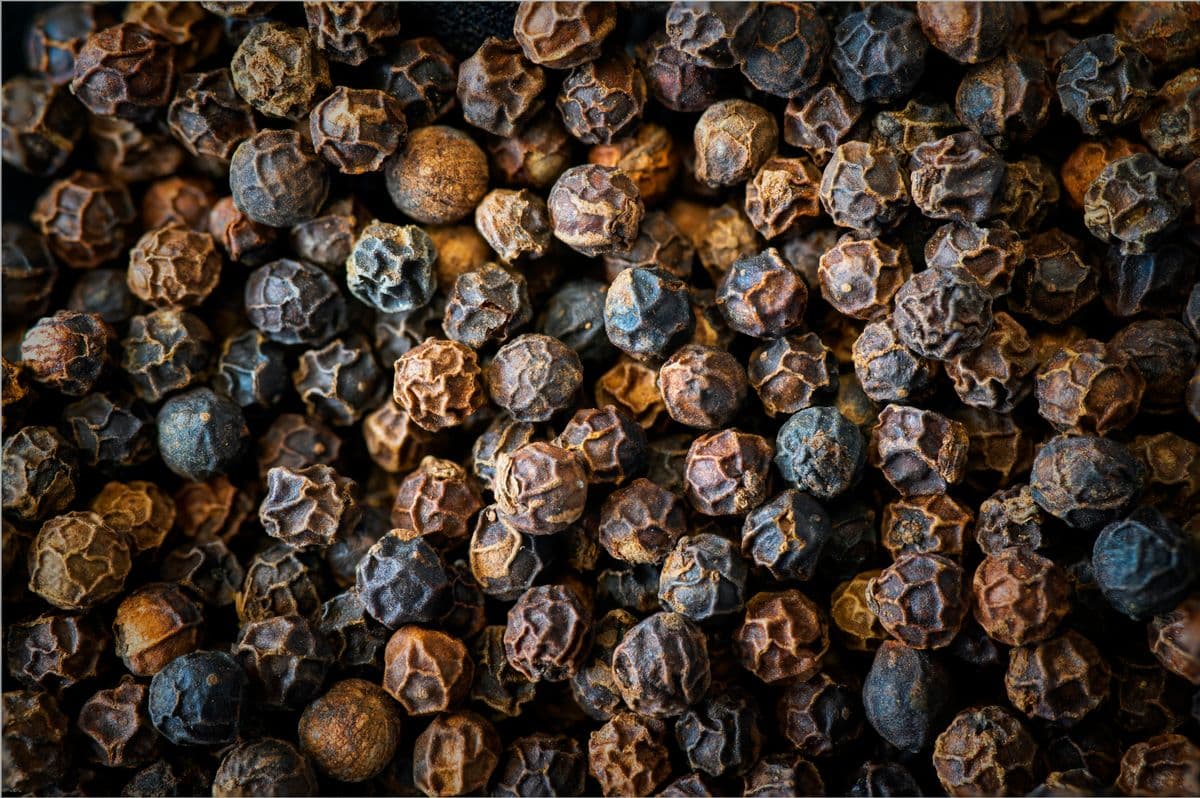
Black pepper is the most traded spice in the world and it has the most developed grading conventions, which is helpful because it means quality can be described precisely. The primary physical measure is bulk density, expressed in grams per litre, which correlates with the proportion of full, mature berries as against light, immature and hollow ones. The primary chemical measures are piperine content, which determines pungency, and volatile oil content, which determines aroma.
VP Global Exim supplies Indian black pepper in garbled and ungarbled grades at specified bulk densities, along with ground black pepper at specified mesh. Garbled pepper has been cleaned and sorted to remove light berries, pinheads, dust, stalk and extraneous matter; ungarbled has had less processing and carries more of that material. We state the grade, the bulk density and the chemical parameters rather than relying on a grade name alone.
Buyers include spice importers and repackers, food manufacturers, meat and processed food producers who use pepper heavily, oleoresin and piperine extraction companies, retail and private-label brands including pepper mill packers, and food service buyers. Extraction buyers specify piperine above all; retail mill packers care about berry size, appearance and uniformity; food manufacturers care about microbial counts and residues.
Bulk density, garbling and physical grades
Bulk density is the workhorse specification in the pepper trade because it captures, in a single measurable number, how much of the lot is sound mature berry. Higher density means fuller berries, better appearance, better yield in grinding and generally higher piperine. We contract on a minimum bulk density and verify it, since it is straightforward to measure and difficult to argue about.
Garbling is the cleaning and sorting process, and the grade names in common use correspond to different levels of it. Garbled grades have had light berries, pinheads, dust, stalk and foreign matter removed by air classification, gravity separation, sieving and, in higher grades, optical sorting. The result is a higher bulk density, better appearance and a cleaner product with less dust. Ungarbled grades cost less and carry more of that material.
Physical parameters we specify alongside bulk density include moisture content, light berries as a percentage, pinheads and broken berries, extraneous matter including stalk and plant material, insect-damaged and infested berries, mould-affected berries, and total and acid-insoluble ash. Ash values are useful indicators of soil and mineral contamination and are worth specifying because they catch problems that visual inspection misses.
Berry size and uniformity matter specifically for pepper mill and retail whole-pepper applications, where the customer sees the individual berries and where a mill grinds inconsistently if berry size varies widely. Where a buyer is packing for mills, we specify a size range and uniformity as well as bulk density, since a lot that meets a density specification can still contain a wide size distribution.
Piperine, volatile oil and pungency
Piperine is the compound responsible for pepper's pungency and it is the key chemical specification for most industrial buyers and all extraction buyers. Content varies with variety, growing conditions, maturity at harvest and post-harvest handling. We specify a minimum piperine percentage determined by chromatographic analysis and verify it on the shipped lot, since it cannot be assessed by inspection.
Volatile oil content determines aroma as distinct from pungency, and the two are not perfectly correlated. Pepper can be pungent without being especially aromatic if the volatile oil has been lost through age, heat or poor storage. For buyers whose application depends on pepper's aroma rather than only its bite, volatile oil should be specified alongside piperine.
Indian pepper is well regarded internationally for its balance of piperine and volatile oil, and certain growing regions have particular reputations. As with our other spice lines, we treat regional origin as a means to a specification rather than as a substitute for it: we will source from the region best able to meet the specification, and we will state the measured values rather than relying on the region's reputation.
Both piperine and volatile oil decline with age and with exposure to heat, light and oxygen, and ground pepper loses volatile oil rapidly. We state crop year, schedule production close to shipment, specify packaging with an appropriate barrier, and quote realistic remaining shelf life at arrival. For buyers with slow turnover, whole pepper with local grinding preserves considerably more of what they are paying for.
Processing, sterilisation and microbial control
The processing line for pepper includes pre-cleaning to remove coarse material, air classification and gravity separation to remove light berries and dust, destoning, sieving to grade by size and remove fines, magnetic separation, and optical sorting in higher grades. Washing is used in some processes and requires careful drying afterwards, since incompletely dried washed pepper is a mould risk.
Microbial load is a significant issue in pepper because it is dried in the open and handled extensively. Typical specifications cover total plate count, yeasts and moulds, coliforms, Escherichia coli and Salmonella, and pepper has been implicated in Salmonella incidents internationally, which is why regulated food manufacturers almost always require a sterilised product.
Steam sterilisation is the standard treatment and is applied under validated conditions, with the treated lot tested rather than the treatment assumed effective. Post-treatment handling must prevent recontamination, requiring sterilisation and packing in a controlled sequence within a hygienic facility and packaging that provides an effective barrier. We insist on this sequence because sterilising and then recontaminating produces a false assurance, which is worse than an untreated product honestly described.
Where a destination permits alternative treatments, we confirm what is allowed before production. Requirements differ substantially between markets and the consequences of a prohibited treatment are consignment rejection and potential regulatory action. The treatment applied is stated on the certificate of analysis in every case.
Residues, testing and documentation
Residue compliance follows the same discipline as our other spice lines. We establish the destination market's applicable maximum residue limits before production, source from growers and processors whose practices are compatible with them, and test each lot against that market's own limit list. A residue level acceptable in one destination will cause rejection in another, so a generic screen is not sufficient.
Full testing scope typically covers a multi-residue pesticide screen, heavy metals, mycotoxins where the destination requires them, microbiological parameters including Salmonella, piperine and volatile oil content, bulk density, moisture and ash values, light berry and extraneous matter percentages, and foreign matter examination. Scope is agreed before production against both the destination's requirements and the buyer's specification.
Adulteration of ground pepper is a known practice and is tested for specifically. The concerns are dilution with pepper husk or spent material from which oil has been extracted, addition of other plant material or starch, and addition of papaya seed to whole pepper, which resembles peppercorns superficially. We verify piperine and volatile oil against expected values, examine microscopically, and check bulk density and appearance on whole pepper.
Certificates of analysis state measured values for all agreed parameters. Documentation includes the phytosanitary certificate, certificate of origin, commercial invoice and packing list, fumigation certificate where applicable, treatment certificate where sterilisation is applied, and market-specific health or export certificates. Traceability is maintained to lot level with bag marking linked to the analysis.
Ground pepper, mesh and processing quality
Ground black pepper is specified by mesh distribution, and the specification should reflect the application: coarse grinds for table and mill-style products where visible specks are wanted, medium grinds for general culinary use, fine grinds for seasoning blends and processed food where the pepper must disperse invisibly. We specify a distribution rather than a single nominal mesh, since actual distributions vary widely for the same nominal figure.
Grinding pepper generates heat and heat drives off volatile oil, which is precisely the component that makes freshly ground pepper distinctive. Temperature-controlled and cryogenic grinding preserve aroma substantially better and we specify them where the application justifies the cost. For premium retail products the difference is genuinely perceptible and is worth paying for.
Ground pepper is prone to caking and to segregation of the lighter husk fraction from the heavier endosperm, which produces visible inconsistency and inconsistent flavour through a pack. Correct grinding, sieving and blending after grinding control it, and appropriate packaging prevents moisture uptake that worsens caking. We check these on samples rather than assuming.
For retail packing we can supply ground pepper in consumer packs, shakers, sachets and refill packs to your specification, and whole pepper in mill-ready packs and integrated grinder units. Where a buyer is packing for pepper mills, berry size uniformity becomes a specification requirement in itself, since inconsistent berry size makes a mill grind unevenly and generates consumer complaints.
Packaging, storage and transit
Whole pepper is packed in new jute bags with liner or woven polypropylene bags with polyethylene liner, typically in 25 or 50 kilogram units. Ground pepper requires a better barrier and is packed in multi-layer paper with polyethylene liner, lined woven bags or foil laminate, with vacuum or gas-flushed packing available for premium retail products where volatile oil retention matters most.
Moisture control is essential because pepper above safe moisture will develop mould in transit, and a container crossing tropical waters generates significant condensation. We specify a maximum moisture, verify it before packing, and use container desiccants and liner protection on humid routes. Pepper also readily absorbs odours, so container hygiene is inspected before loading and containers with residual odour from previous cargo are rejected.
Storage before shipment matters as much as transit. Pepper held in a warm, humid warehouse loses volatile oil and can gain moisture, so we schedule production and packing close to shipment rather than shipping stock that has been held for months. Where a buyer requires a specific crop year, holding stock to fill an order defeats the purpose, and we say so rather than shipping older material.
Lot-level traceability is maintained with each bag marked with product, grade, bulk density, crop year, lot number, net weight, packing date and origin, linked to the certificate of analysis for that lot. This is a regulatory requirement at import in most destination markets rather than an added service.
Specifying pepper with our team
Tell us the form, the grade and minimum bulk density, minimum piperine and volatile oil content if they matter to your application, crop year requirement, berry size uniformity if packing for mills, your destination's residue and microbial limits, whether sterilisation is required and which method is permitted, packaging, quantity and destination. Where you have your own specification document, we will quote directly against it.
We will be straightforward about what is achievable at what price. Higher bulk density, higher piperine, tighter residue limits, current-crop supply and validated sterilisation each narrow the available supply and raise the cost. Pepper prices are also more volatile than most spices, so we quote with a stated validity period rather than holding a price we cannot honour.
For a first order we recommend pre-shipment sample analysis against the full specification, and for buyers with their own quality systems, third-party sampling and inspection at loading. Establishing that the lot meets the specification before it ships is a considerably better position than contesting an import inspection result afterwards.
Black Pepper specifications
| Grades | Garbled and ungarbled whole pepper specified by minimum bulk density in grams per litre; ground pepper at specified mesh |
|---|---|
| Chemical parameters | Minimum piperine content by chromatographic analysis; volatile oil content by steam distillation |
| Physical parameters | Moisture, light berries, pinheads and broken berries, extraneous matter, insect damage, mould, total and acid-insoluble ash |
| Berry uniformity | Size range and uniformity specified where packing for pepper mills or whole-pepper retail |
| Processing | Pre-cleaning, air classification, gravity separation, destoning, sieving, magnetic separation and optical sorting on higher grades |
| Sterilisation | Validated steam sterilisation with treated lot testing and controlled post-treatment handling |
| Microbial scope | Total plate count, yeasts and moulds, coliforms, E. coli and Salmonella |
| Adulteration screening | Piperine and volatile oil verification, husk and spent-material dilution checks, papaya seed detection on whole pepper |
| MOQ | From 1 MT per specification; container-load quantities standard |
| Lead time | 20-35 days subject to crop availability, sterilisation and laboratory turnaround |
Made to your requirements
- Grade and bulk density specified to your requirement
- Minimum piperine and volatile oil content verified per lot
- Berry size uniformity for mill and grinder packing
- Validated steam sterilisation with treatment certification
- Temperature-controlled grinding with specified mesh distribution
- Retail packs, shakers, sachets and integrated grinder units
Where our black pepper is used
Typical buyer profiles and end uses we supply into.
Black Pepper export questions
The questions buyers ask most often before placing a first order.
What does bulk density tell me about pepper?
It captures in one measurable number how much of the lot is sound mature berry rather than light, immature or hollow ones. Higher density means fuller berries, better appearance, better grinding yield and generally higher piperine. It is easy to measure and hard to argue about, which is why we contract on a minimum bulk density and verify it on the shipped lot.
What is the difference between garbled and ungarbled?
Garbling is the cleaning and sorting process. Garbled grades have had light berries, pinheads, dust, stalk and foreign matter removed by air classification, gravity separation, sieving and, in higher grades, optical sorting, giving a higher bulk density, better appearance and less dust. Ungarbled costs less and carries more of that material, which is legitimate for some processing applications.
Are piperine and volatile oil the same thing?
No. Piperine gives pungency and volatile oil gives aroma, and they are not perfectly correlated. Pepper can be pungent without being especially aromatic if volatile oil has been lost to age, heat or poor storage. If your application depends on aroma rather than only bite, specify both, because neither can be assessed by inspection.
Why do food manufacturers insist on sterilised pepper?
Because pepper is dried in the open and handled extensively, carries significant microbial load, and has been implicated in Salmonella incidents internationally. We apply validated steam sterilisation, test the treated lot rather than assuming effectiveness, and require a controlled sterilise-then-pack sequence in a hygienic facility with barrier packaging, since recontamination after treatment creates a false assurance.
How is pepper adulterated?
Ground pepper is diluted with husk or with spent material from which oil has been extracted, or with other plant material or starch. Whole pepper has historically been adulterated with papaya seed, which superficially resembles peppercorns. We verify piperine and volatile oil against expected values, examine microscopically, and check bulk density and appearance on whole pepper.
Does berry size matter for pepper mills?
Yes, and it is a specification in its own right. Inconsistent berry size makes a mill grind unevenly, which generates consumer complaints about a product that otherwise meets its density specification. Where you are packing for mills or grinder units we specify a size range and uniformity alongside bulk density.
Request a quote: Black Pepper
Send your specification, quantity and destination market. We confirm feasibility, quote with a lead time and propose a sampling plan so your first order is judged on an approved sample.
- Response within 24 hours
- Samples before bulk commitment
- Full export documentation handled
Enquire about Black Pepper
Pre-filled for this product - just add your details.